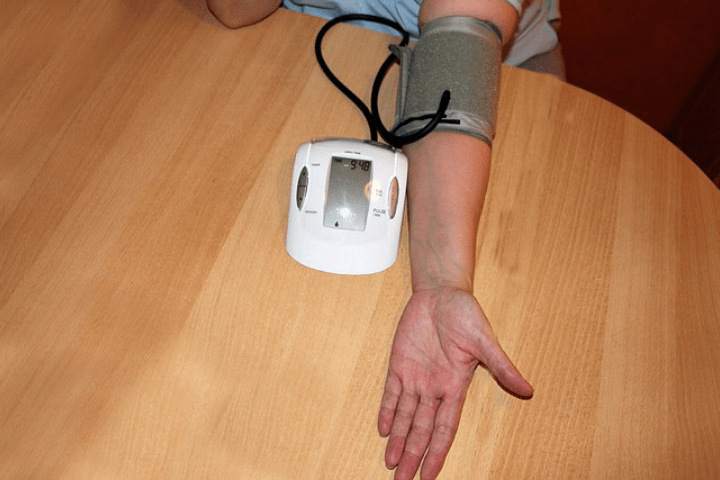
Natural remedies for high blood pressure: Herbs, supplements, and more – Wordplant Living

High blood pressure, or hypertension, is a common condition that affects millions of people worldwide. It is often referred to as the “silent killer” as it typically does not have noticeable symptoms, but can lead to serious health complications such as heart disease, stroke, and kidney problems if left untreated. While pharmaceutical medications are commonly prescribed to manage high blood pressure, there are also a variety of natural remedies that can be used as adjunctive therapies.

In addition to garlic and hibiscus tea, other natural remedies that have shown potential in managing high blood pressure include omega-3 fatty acids, coenzyme Q10, and magnesium. Omega-3 fatty acids, found in fatty fish such as salmon and mackerel, have been found to have a beneficial effect on blood pressure. Coenzyme Q10, a natural antioxidant found in the body, can be obtained from supplements and may help to lower blood pressure levels. Similarly, magnesium, which plays a key role in regulating blood pressure, can be obtained from dietary sources such as green leafy vegetables, nuts, and seeds.

In this article, we will explore some herbs, supplements, and lifestyle modifications that may help to lower blood pressure levels naturally.

1. Garlic:

One of the most widely studied natural remedies for hypertension is garlic. Garlic has been shown to have a mild blood pressure-lowering effect, thanks to its active ingredient called allicin. Including garlic in your diet can help to modestly reduce blood pressure levels. However, it is important to note that consuming garlic supplements may interact with certain medications, particularly blood thinners. Therefore, it is crucial to consult with your healthcare provider before incorporating garlic into your routine.

2. Hibiscus tea:

Another popular natural remedy is hibiscus tea. Several studies have suggested that drinking hibiscus tea can lead to a significant decrease in both systolic and diastolic blood pressure. This effect is believed to be due to the presence of antioxidants, such as anthocyanins and polyphenols, which have been shown to have beneficial effects on blood vessel health and dilation. Hibiscus tea is generally safe for consumption, but it can have a mild diuretic effect. Therefore, if you are currently taking diuretic medications, it is advisable to consult with your doctor before adding hibiscus tea to your routine.

3. Omega-3 fatty acids:

Omega-3 fatty acids, commonly found in oily fish like salmon and mackerel, as well as chia seeds and flaxseeds, have been shown to have numerous health benefits, including reducing blood pressure levels. These fatty acids help to reduce inflammation in the body and promote proper arterial function. Incorporating omega-3-rich foods into your diet or taking fish oil supplements may help to lower blood pressure.

4. Coenzyme Q10:

Coenzyme Q10, also known as CoQ10, is a naturally occurring compound found in cells throughout the body. It plays a vital role in cellular energy production and has been found to have potential benefits for managing high blood pressure. CoQ10 supplements have been shown to have a modest but notable effect on blood pressure reduction.

5. Exercise and stress management:
Regular physical activity, such as walking, swimming, or cycling, can contribute to lowering blood pressure levels. Exercise helps to strengthen the heart muscle, improve blood flow, and reduce stress. Additionally, incorporating stress management techniques such as meditation, deep breathing exercises, or yoga into your daily routine can help to lower blood pressure naturally.

Conclusion:

Natural remedies can be used as complementary approaches to manage high blood pressure. Incorporating garlic, hibiscus tea, omega-3 fatty acids, coenzyme Q10, and magnesium, along with a healthy lifestyle that includes a balanced diet and regular exercise, can potentially help in maintaining healthy blood pressure levels. However, it is crucial to seek guidance from your healthcare provider before making any changes to your treatment regimen, especially if you are currently taking medications for hypertension. By combining natural remedies with conventional treatment, you can work towards better blood pressure control and reduce the risk of associated heart complications.


Overcoming Osteoarthritis: A Journey of Healing and Recovery Wordplant Living

Introduction:
In 2016, Alfred Okoko found himself facing the debilitating effects of osteoarthritis, a condition that affected his daily life and left him feeling helpless. Determined to take control of his health, Alfred embarked on a journey to explore natural remedies that would not only halt the progression of his condition but also reverse its effects. Today, he proudly stands arthritis-free, seven years after his diagnosis. This is his story of hope, perseverance, and the transformative power of natural remedies.

The onset of Osteoarthritis:
Alfred’s life took an unexpected turn in 2016 when he started experiencing chronic joint pain, stiffness, and swelling. After seeking medical advice, he received a diagnosis of osteoarthritis, a degenerative joint disease that commonly affects older individuals or those with a history of joint injuries.

Devastated by the news, Alfred was determined not to let osteoarthritis dictate his life. Rather than relying solely on conventional medical treatments, he began researching natural remedies to complement his current regimen.

Exploring Natural Remedies:
Alfred discovered that a holistic approach involving lifestyle changes, physical activity, herbal supplements, and dietary modifications could play a significant role in halting and reversing osteoarthritis symptoms.

He decided to integrate these natural remedies into his daily routine. Regular exercise, such as low-impact activities like swimming and cycling, helped strengthen the muscles surrounding his joints. This, in turn, reduced stress on the affected areas and improved his mobility.

Additionally, Alfred incorporated herbal supplements known for their anti-inflammatory properties into his diet plan. Turmeric, ginger, and boswellia serrata became an essential part of his routine, as each possesses potent anti-inflammatory effects that aid in relieving joint pain and reducing inflammation.

Adopting a nutrient-rich diet played a crucial role in Alfred’s recovery as well. He prioritized consuming foods that contained high levels of antioxidants, omega-3 fatty acids, and vitamins D and C. These nutrients are known for their ability to nourish the joints, boost immunity, reduce inflammation, and promote overall joint health.

The Road to Recovery:
Within just a few months of diligently following his natural remedy regimen, Alfred noticed significant improvements in his joint health. The pain and stiffness that had once limited his mobility gradually faded away, and he regained the ability to perform daily tasks with ease.

Alfred’s condition continued to improve as he committed himself to his chosen path. He made sure to maintain a consistent exercise routine and adhere to a well-balanced diet, with a focus on organic and whole foods. He also sought guidance from naturopathic practitioners and incorporated alternative therapies, such as acupuncture and massage, to further support his recovery.

The Transformation:
Fast forward seven years, and Alfred stands as a testament to the incredible healing power of natural remedies. His journey is not just a story of overcoming osteoarthritis

and chronic pain; it is a testament to the potential of embracing alternative medicine and holistic approaches to health.

Alfred had always been an active individual, enjoying various physical activities such as hiking, biking, and running. However, as he entered his fifties, he started experiencing persistent joint pain, especially in his knees and hips. A visit to the doctor confirmed his fears – he was diagnosed with osteoarthritis, a degenerative joint disease that commonly affects older adults.

With his diagnosis in hand and the typical treatment options presented to him, including pain medications and potential joint replacement surgeries, Alfred was determined to find a better way to manage his condition. Being an advocate for natural remedies and a believer in the body’s ability to heal itself, he embarked on a journey to explore holistic approaches to heal his arthritic pain.

Alfred began his research, delving deep into natural remedies, herbal medicine, and alternative therapies. He discovered that there were numerous treatments available that focused on addressing the underlying causes of his osteoarthritis, rather than just masking the symptoms. This revelation ignited a spark in him and fueled his determination to find a path to healing.

He started with dietary changes, following an anti-inflammatory diet that emphasized whole foods, fruits, vegetables, and lean proteins. By eliminating processed foods, refined sugars, and excessive carbohydrates, Alfred noticed a significant reduction in inflammation throughout his body. This change in diet not only helped alleviate his joint pain but also improved his overall well-being.

In addition to dietary adjustments, Alfred explored various natural supplements known for their anti-inflammatory properties. He incorporated turmeric, ginger, fish oil, and glucosamine into his daily routine. These powerful natural remedies acted as building blocks to support joint health, reduce inflammation, and promote cartilage repair. Over time, Alfred witnessed a remarkable improvement in his pain levels and mobility.

Seeking further relief, he turned to traditional and holistic therapies such as acupuncture, chiropractic care, and massage therapy. These approaches aimed to restore the balance of energy within his body, relieve tension, and promote natural healing. Alfred found immense relief from these treatments, with reduced pain and increased flexibility.

His transformation was not only physical but psychological as well. Alfred realized that the power to heal was within him all along. By adopting a proactive role in his health and embracing alternative medicine, he gained a sense of empowerment and control over his condition. He became an advocate for natural remedies and shared his story with others, inspiring them to explore holistic approaches to their own health challenges.

Fast forward seven years, and Alfred stands as a shining example of the transformative power of natural remedies. His dedication, perseverance, and open-mindedness allowed him to overcome the limitations of his diagnosis and lead a fulfilling, active life. He serves as an inspiration to those who may feel trapped in the conventional medical system, offering hope and encouragement to explore alternative pathways to healing.

Alfred’s journey showcases the potential of embracing natural remedies and holistic approaches in treating chronic

High Blood Pressure: Try These Home Remedies Before Taking Medications! – Wordplant Living

High blood pressure, use also known as hypertension, is a common condition that affects millions of people worldwide. While medications can be effective in managing high blood pressure, there are also several home remedies that can help lower blood pressure levels. Here are some natural remedies you can try before reaching for medication:

1. Exercise regularly: Regular physical activity can help lower blood pressure by improving heart health and reducing stress levels. Aim for at least 30 minutes of moderate exercise, such as brisk walking, cycling, or swimming, most days of the week.

2. Follow a healthy diet: A diet rich in fruits, vegetables, whole grains, and lean proteins can improve overall health and help lower blood pressure. Limiting sodium, saturated fats, and processed foods can also be beneficial.

3. Maintain a healthy weight: Being overweight or obese can put added strain on the heart and increase blood pressure levels. Losing weight through diet and exercise can help lower blood pressure and improve overall health.

4. Reduce stress: Chronic stress can contribute to high blood pressure. Incorporate stress-reducing activities into your daily routine such as yoga, meditation, deep breathing, or other relaxation techniques.

5. Limit alcohol and caffeine: Drinking excessive amounts of alcohol or caffeine can raise blood pressure levels. Limiting alcohol consumption to one drink per day for women and two drinks per day for men can help lower blood pressure. Similarly, caffeine consumption should be limited to two to three cups per day.

6. Get enough sleep: Sleep deprivation can potentially increase the risk of developing high blood pressure. Aim for at least seven to eight hours of sleep per night.

It’s important to note that while these home remedies can be effective in managing high blood pressure, they should not replace medication without consulting with a healthcare professional. If you have high blood pressure, talk to your doctor about the best treatment plan for you.