How prolonged high blood pressure may cause kidney damage – Wordplant Living

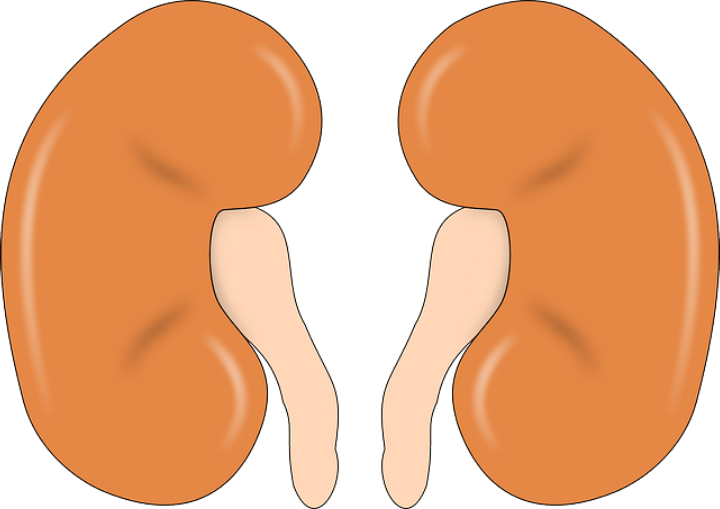
Prolonged high blood pressure (hypertension) causes damage to various organs and tissues in the body, one of which is the kidneys. Hypertension can cause damage to the small blood vessels (capillaries) and filters (glomeruli) in the kidneys. This damage in the kidneys leads to a condition called nephrosclerosis which is the hardening and thickening of the blood vessels that supply the nephrons, the functional unit of the kidneys.

When the small blood vessels of the kidneys become damaged, the kidneys cannot filter waste and excess fluid as effectively. This causes waste and fluid to build up in the body and can lead to a condition called chronic kidney disease (CKD). CKD is a progressive condition, meaning it worsens over time and can ultimately lead to kidney failure.

Solutions to hypertension-induced kidney disease include medication to control blood pressure, lifestyle changes such as a healthy diet and regular exercise, and managing other medical conditions such as diabetes and high cholesterol. Regular monitoring of kidney function through blood and urine tests is also important in detecting and managing kidney damage early on.

In severe cases, the only solution may be a kidney transplant or dialysis, depending on the extent of kidney damage. However, a prevention focus is crucial as hypertension-induced kidney disease is preventable with early detection and proper management of blood pressure.


Erosive Arthritis: Understanding the Symptoms, Causes, and Treatment Options – Wordplant Living

Erosive arthritis is a type of inflammatory arthritis that affects the joints. It is characterized by erosion and destruction of the bones and cartilage of the affected joints. This type of arthritis can cause significant pain, stiffness, and disability if left untreated.

Erosive arthritis is more commonly seen in women, and it typically affects the hands and feet. It is considered a subset of rheumatoid arthritis (RA), which is an autoimmune disease that causes inflammation and damage to the joints.

Signs and symptoms

The main symptoms of erosive arthritis include joint pain, stiffness, and swelling. Other symptoms may include fatigue, fever, and loss of appetite. The symptoms usually develop gradually and may be aggravated by activity or stress.

Diagnosis

Diagnosis of erosive arthritis usually involves a physical exam, blood tests, and imaging studies, such as X-rays or MRI. Doctors may also perform a joint aspiration, in which they remove some fluid from the affected joint for analysis.

Treatment

Treatment of erosive arthritis typically involves a combination of medication, lifestyle changes, and physical therapy. Nonsteroidal anti-inflammatory drugs (NSAIDs) may help reduce pain and inflammation, while disease-modifying antirheumatic drugs (DMARDs) can help slow down the progression of the disease. In severe cases, biologic therapies may be used.

Lifestyle changes such as exercise, maintaining a healthy weight, and avoiding smoking can also help manage erosive arthritis. Physical therapy can improve joint flexibility and reduce pain.

It is important to seek treatment for erosive arthritis as soon as possible, as early intervention can help slow down the progression of the disease and prevent joint damage. If you are experiencing joint pain, stiffness, or swelling, make an appointment with your healthcare provider to determine the cause and receive appropriate treatment.


Plant-Powered Wellness: Elevate Your Health and Lifestyle – Wordplant Living

As human beings, we always strive to live healthier and more fulfilling lives. With the increasing awareness of the benefits of healthy living, there has been a growing interest in promoting healthy lifestyles using natural approaches. One of the most effective ways of achieving this is through the power of plants.

Plants have always been an essential part of human life throughout history. They have been used for food, medicine, and decoration, among many other things. Recently, there has been a renewed interest in using plants to promote healthy living. This is because plants have proven to be a valuable source of essential nutrients, vitamins, and minerals that are needed for optimum health.

Plants come in a variety of forms, and each has its unique benefits. For example, leafy green vegetables like spinach and kale are rich in nutrients like iron, vitamin C, vitamin K, and folate, which are essential for healthy blood and bone development. Other plants like berries are rich in antioxidants, which help to prevent and fight diseases like cancer and Alzheimer’s disease.

Plants are also beneficial for people who suffer from respiratory problems, as they help to purify the air. This is because certain plants like the Snake Plant, Spider Plant, and Golden Pothos have been found to remove toxins from the air and improve air quality.

Another significant benefit of plants is their ability to reduce stress. Studies have shown that simply being around plants or tending to them can have a calming effect on people, resulting in reduced anxiety and stress levels.

In addition to their health benefits, plants are also an excellent way to add aesthetic appeal to any living space. Whether it’s through hanging indoor plants or creating a beautiful outdoor garden, plants can transform any living space into a serene and refreshing environment.

In conclusion, promoting healthy living through the power of plants is a practical and effective way to improve one’s health and well-being. By incorporating plants into our daily lives, we can enjoy the benefits of natural healing while improving our homes’ aesthetic appeal. Let us embrace the power of plants and live a healthier and happier life.


The Art of Inspiring Wellness: How Words Can Promote Healthy Living – Wordplant Living

As the world becomes increasingly conscious about the importance of healthy living, people are looking for effective ways to make significant changes to their lifestyle. One powerful tool that is being overlooked is the power of words.

Words have the power to inspire, motivate and change lives. They can create connections and foster positive change. With the right words, people can be empowered to make healthy choices for themselves and their families.

One significant way that words can promote healthy living is through education. Content creators, bloggers, and social media influencers can use their platforms to share practical information and advice on topics such as nutrition, exercise, and mental health. Through regular publication of engaging and informative content, readers can learn new concepts, form healthy habits, and implement long-lasting changes in their lives.

Another impactful way to promote healthy living is by creating a positive environment where people can thrive. Encouraging words have the power to uplift and inspire those around us. Creating a positive workplace culture, supportive family relationships, and a supportive network of friends can go a long way in promoting a healthy lifestyle.

Finally, the power of storytelling can also be utilized to promote healthy living. Stories have the ability to connect people to the struggles, triumphs, and experiences of others. Through sharing powerful stories of healthy living, we can inspire others to make healthy choices for themselves.

In conclusion, the power of words should not be underestimated in promoting healthy living. Whether it’s through education, positive environment, or storytelling, we all have the power to make a positive impact on people’s lives. With the right words, we can inspire healthy choices that will improve the well-being of ourselves and our communities.


Are you getting enough exercise? Discover the benefits of physical activity and how to incorporate exercise into your daily routine. – Wordplant Living

Regular physical activity is vital for maintaining good health and is an essential part of a healthy lifestyle. Despite the well-known benefits of exercise for physical and mental well-being, many people don’t incorporate exercise into their daily routine. Here are some benefits of physical activity and some tips for incorporating exercise into your daily routine.

Physical activity has numerous health benefits. Exercise can help prevent chronic diseases such as heart disease, stroke, diabetes, and obesity. It can also improve mental health by reducing anxiety and depression, boosting self-esteem, and improving cognitive function. Regular exercise can also promote better sleep, increase energy levels, and improve overall quality of life.

It can be challenging to find the time to exercise, especially if you have a busy schedule. However, incorporating exercise into your daily routine doesn’t require hours at the gym. Here are some simple tips to help you sneak exercise into your busy day:

1. Take the stairs instead of the elevator. This simple switch can add some extra activity into your day.

2. Park farther away from your destination. By parking farther away, you’ll be able to add in a few extra steps before reaching your destination.

3. Take a walk during your lunch break. Even if it’s just a quick walk around the block, getting outside and moving your body can boost your mood and give you some much-needed exercise.

4. Use a standing desk or take frequent breaks. Sitting for long periods of time can be detrimental to your health. By standing or taking breaks to stretch, you can help avoid the negative effects of a sedentary lifestyle.

5. Find an exercise buddy. Working out with a friend or family member can not only make exercise more fun, but it can also help you stay accountable and motivated.

Conclusion

Physical activity is crucial for maintaining good health. Incorporating exercise into your daily routine can have numerous benefits for both your physical and mental well-being. By making small changes to your daily routine, you can sneak in some extra activity and reap the rewards that come with regular exercise.


The importance of taking care of your mind and resources to support your mental health – Wordplant Living

In today’s fast-paced world, taking care of one’s mental health is more important than ever. With stress and anxiety levels on the rise, it is crucial to ensure that we prioritize our mental well-being just as much as our physical health. While exercise and a balanced diet are essential, there are several resources that we can utilize to support our mental and emotional health.

Activities that bring joy and relaxation

On a daily basis, it is important to make time for activities that bring us joy and relaxation. This can include meditation, mindfulness practices, or hobbies such as painting or reading. Finding a healthy work-life balance is also critical, as our mental health can suffer when we are overworked and overstressed.

Seeking professional help

Additionally, seeking professional help when needed is a vital step in maintaining mental health. This can include therapy or counseling, medication, or other forms of support specific to one’s needs. It is important to remember that seeking help is not a sign of weakness, but rather a proactive choice to prioritize one’s well-being.

Resources available in our communities

Beyond personal care, there are resources available in our communities to support mental wellness. This can include mental health clinics, support groups, or online resources. It is important to seek out and utilize these resources, as they can provide guidance and support as we navigate life’s challenges.

Role of financial stability

Finally, it is important to recognize the role that financial stability plays in our mental health. Financial stress can lead to anxiety, depression, and other mental health issues. Taking steps to manage personal finances, such as creating a budget or seeking out professional financial advice, can help to alleviate this stress and support overall mental wellness.

Conclusions

Taking care of our minds and our resources is crucial to maintaining good mental health. By prioritizing self-care, seeking out professional help when needed, utilizing community resources, and managing personal finances, we can support our mental well-being and live happier, healthier lives.