Exercising Your Way to Arthritis Pain Relief: Tips and Techniques for Effective Management.- Wordplant Living

Arthritis is a condition that affects millions of people around the world. It causes inflammation, pain, and stiffness in the joints. Unfortunately, there is no cure for arthritis. However, there are ways to manage the pain and stiffness caused by the condition. One of the most effective ways is through exercise.

Exercise is an essential part of a healthy lifestyle

It not only helps you maintain a healthy weight and keep your cardiovascular system in good condition, but it can also help alleviate the pain and stiffness caused by arthritis.

Here are some of the ways exercise can help alleviate arthritis pain:

Strengthen Muscles

Weak muscles can be a significant contributor to joint pain. Through exercise, you can strengthen the muscles surrounding the affected joints, which can increase their stability and reduce the pressure on them. Strong muscles can also help reduce inflammation and pain.

Improve Range of Motion

Arthritis can limit your range of motion, making it difficult to perform everyday activities. Through exercise, you can improve your range of motion, which can make it easier to do things like walking, climbing stairs, and opening jars. Stretching exercises can help improve flexibility, which can lead to a better range of motion.

Increase Endorphins

When you exercise, your body releases endorphins, which are natural painkillers. Endorphins can help reduce pain and stiffness caused by arthritis. Exercise can also help improve your mood, which can help you feel better overall.

Reduce Weight

Carrying excess weight puts extra pressure on your joints, which can lead to more pain and stiffness. Exercise can help you maintain a healthy weight, which can reduce the pressure on your joints. Even a small amount of weight loss can make a big difference in reducing the symptoms of arthritis.

It’s important to note that not all types of exercise are suitable for everyone with arthritis. It’s essential to work with a healthcare professional to determine the right exercise program for your individual needs. A healthcare professional can help you choose the appropriate exercises and can supervise your progress.

Conclusion

Exercise is an effective way to alleviate arthritis pain and stiffness. Through regular exercise, you can strengthen your muscles, improve your range of motion, increase endorphins, and reduce weight. If you have arthritis, consider incorporating exercise into your daily routine to manage your symptoms and improve your quality of life.


4 Simple Stress Reduction Exercises to Naturally Lower Your Blood Pressure – Wordplant Living

Stress is a common and often unavoidable part of life. Whether it’s related to work, relationships, or personal struggles, stress can have negative effects on the body and mind. One of these effects is high blood pressure, which can increase the risk of heart disease, stroke, and other health problems. Fortunately, there are exercises and practices that can help reduce stress and lower blood pressure.

Yoga

One effective stress reduction exercise is yoga. Yoga combines physical postures with breathing techniques and meditation, creating a holistic approach to relaxation and stress relief. In fact, studies have shown that practicing yoga regularly can significantly lower blood pressure in people with hypertension.

Tai Chi

Another exercise that can help lower stress and blood pressure is tai chi. Tai chi involves slow, flowing movements that promote relaxation and mindfulness. Like yoga, tai chi has been shown to significantly lower blood pressure in people with hypertension

Deep Breathing

Deep breathing exercises are another way to reduce stress and lower blood pressure. By focusing on slow, deep breaths, you can calm your mind and body, reducing the fight-or-flight response that contributes to stress. One simple exercise involves inhaling deeply for a count of five, holding your breath for a count of five, and then exhaling slowly for a count of five. Repeating this exercise for just a few minutes can have a calming effect on the body.

Meditation

Meditation is also an effective stress reduction practice. By focusing on the present moment and becoming more aware of your thoughts and emotions, you can reduce stress and lower blood pressure. One simple meditation technique involves focusing on your breath and counting each inhale and exhale up to 10, then starting over at one. This can be done for as little as five minutes a day.

Conclusion

Stress is a common part of life, but it doesn’t have to take a toll on your health. By incorporating practices like yoga, tai chi, deep breathing exercises, and meditation into your routine, you can reduce stress and lower blood pressure, promoting overall health and well-being.


Boron: The Essential Mineral You Need to Know About – Benefits, Uses and Precautions – Wordplant Living

Boron is a chemical element with the symbol B and atomic number 5. It is a metalloid, which means it has properties of both metals and nonmetals. Boron is found naturally in rocks, soil, and water. It is also used in various applications, such as in the production of glass, ceramics, and agricultural fertilizers.

Biron is a trace mineral that is essential for the growth and maintenance of healthy bones and joints. It also helps in the metabolism of other minerals, such as calcium, magnesium, and phosphorus. Mushrooms are one of the few plant-based sources of boron and can provide up to 30% of the daily recommended intake of boron in a single serving. Other sources of boron include nuts, legumes, fruits, and vegetables.

Health Benefits:

1. Bone health: Boron helps to increase calcium absorption and retention in the bones, making it essential for maintaining good bone health. It also helps to reduce the risk of osteoporosis.

2. Brain function: Boron has been shown to improve brain function and cognitive performance, particularly in older adults.

3. Arthritis relief: Boron can help to reduce inflammation and pain associated with arthritis.

4. Hormone balance: Boron plays a vital role in maintaining healthy levels of sex hormones, such as testosterone and estrogen.


5 Hydrotherapy Techniques for Arthritis Relief

Usage:

Boron can be found naturally in certain foods, such as nuts, fruits, and vegetables. However, it is also available in supplement form. The recommended daily intake of boron varies depending on age and sex. Men should aim for 3.5 mg per day, while women should aim for 2.5 mg per day. It is important to follow dosing instructions carefully and not exceed the recommended daily intake.

Precautions:

1. Pregnant and breastfeeding women should avoid boron supplements and should consult with a doctor before adding boron to their diet.

2. Boron supplements may interact with certain medications, such as antibiotic medications. It is important to consult with a doctor before taking boron supplements, particularly if you are taking any medications.

3. High doses of boron can be toxic and can cause symptoms such as nausea, vomiting, and diarrhea. It is important to follow dosing instructions carefully and not exceed the recommended daily intake.

In conclusion, boron is a chemical element that plays a vital role in various bodily functions, including bone health, brain function, and hormone balance. While it can be found naturally in certain foods, supplements may be necessary to achieve optimal intake. It is important to follow dosing instructions carefully and consult with a doctor before taking boron supplements, particularly if you are pregnant, breastfeeding, or taking any medications.


The Amazing Link Between Bananas and Lowering Blood Pressure . – Wordplant Living

Bananas are one of the most popular and widely consumed fruits across the globe. They are not only delicious but also rich in nutrients such as potassium, magnesium, and fiber, making them a great choice for a healthy diet. Recent studies have shown that bananas could also be beneficial in lowering high blood pressure.

High blood pressure, also known as hypertension, is a condition that affects millions of people worldwide. It is a chronic condition that occurs when the force of blood against the arterial walls is consistently high. High blood pressure, if left untreated, can lead to serious health problems such as heart attack, stroke, and kidney failure.

The good news is that controlling high blood pressure can be achieved through lifestyle changes, such as a healthy diet, exercise, and reducing stress levels. One way to achieve this is by including bananas in your diet.

Bananas are a rich source of potassium, which is an essential mineral required by the body for various functions, including regulating blood pressure. Potassium works by countering the effects of sodium in the body. Sodium is a mineral that is commonly found in processed foods and is known to cause an increase in blood pressure levels.

The high fiber content in bananas is also another factor that makes them helpful in reducing high blood pressure. A diet that is high in fiber has been shown to reduce blood pressure levels in individuals with hypertension.

Incorporating bananas into your diet is easy. You can eat them as a snack, add them to your smoothies, or even use them in baking. Including one to two bananas in your daily diet, in combination with other lifestyle modifications, can help in lowering high blood pressure levels.

Conclusion

Bananas are a delicious and healthy fruit that can offer several benefits, including contributing to lower high blood pressure levels. With the addition of bananas into a balanced diet, individuals can help manage their condition and reduce the risk of related health complications.


Natural Ways to Alleviate Joint Pain: Simple Home Remedies for Swelling and Discomfort. – Wordplant Living

Swollen joints, knees and no wrists can be painful and uncomfortable for those who suffer from them. There are many causes of joint swelling, such as arthritis, infections, and injuries. If you are struggling with swollen joints, you may be looking for natural remedies to ease your discomfort. Here are some of the best natural remedies that can help reduce joint swelling:

1. Ginger
Ginger is a well-known anti-inflammatory agent that can help reduce joint inflammation and swelling. You can drink ginger tea or incorporate ginger into your meals to experience its benefits.

2. Turmeric
Turmeric contains a compound called curcumin, which has anti-inflammatory properties. You can add turmeric to your meals or take turmeric supplements, which are readily available in health food stores.

3. Epsom Salt Bath
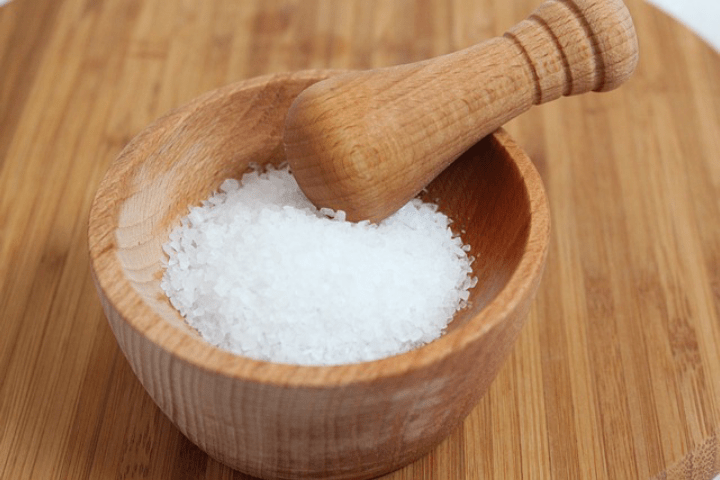
Epsom salt is a natural mineral that can help reduce joint swelling by improving blood circulation and promoting relaxation. Add a cup of Epsom salt to your bathwater and soak for at least 20 minutes.

4. Cold Compress
Applying a cold compress to the affected joint can help reduce swelling and ease pain. Simply wrap an ice pack or frozen vegetables in a towel and apply it to the affected area for 15 minutes at a time.

5. Exercise
Gentle exercise can also help reduce joint swelling. Low-impact activities such as swimming and walking can help improve joint mobility and reduce inflammation.

6. Anti-inflammatory Foods
Adding anti-inflammatory foods to your diet can also help reduce joint inflammation. Examples of anti-inflammatory foods are fatty fish (such as salmon), nuts, whole grains, berries, and leafy green vegetables.

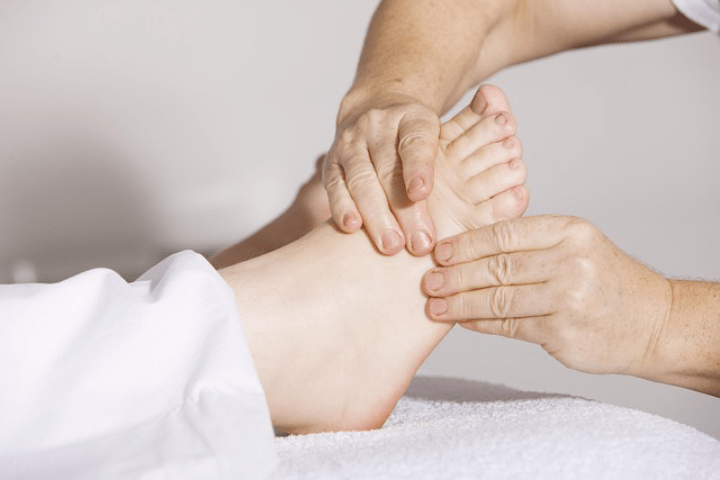
7. Massage
Massage can help reduce joint swelling by improving blood circulation and promoting relaxation. You can book a professional massage or perform self-massage with a foam roller or tennis ball.

In conclusion, if you’re suffering from joint swelling, there are many natural remedies that you can try to ease your discomfort. These remedies include ginger, turmeric, Epsom salt baths, cold compresses, exercise, anti-inflammatory foods, and massage. Experiment with these remedies to discover what works best for you. Additionally, it is important to consult a healthcare professional if your joint swelling persists or worsens.


Relieve Inflammatory Polyarthritis Naturally: Effective Remedies to Reduce Inflammation and Pain. – Wordplant Living

Inflammatory polyarthritis is a condition characterized by inflammation in multiple joints in the body. There are many natural remedies that can help reduce inflammation and relieve symptoms of this condition. Some of the effective natural remedies include:

1. Turmeric: Turmeric contains curcumin, which is a powerful anti-inflammatory compound. It can help to reduce inflammation and relieve joint pain. You can add turmeric to your diet by consuming turmeric supplements or adding it to your food.

2. Ginger: Ginger has anti-inflammatory properties that can help to reduce pain and swelling in the joints. You can consume ginger by adding it to tea or incorporating it into your diet in the form of supplements.

3. Fish oil: Fish oil is rich in omega-3 fatty acids, which are essential nutrients that can help to reduce inflammation. You can consume fish oil supplements or add fatty fish to your diet to increase your omega-3 intake.

4. Epsom salt: Epsom salt contains magnesium, which is a mineral that can help to reduce inflammation. You can soak in an Epsom salt bath to relieve joint pain and inflammation.

5. Exercise: Regular exercise can help to improve joint function and reduce inflammation. Low impact exercises like swimming, cycling, and walking can be beneficial for people with inflammatory polyarthritis.

It is important to consult with a healthcare professional before trying any natural remedies for inflammatory polyarthritis. They can help you determine the best approach for your individual needs and condition.


Foot pain causes and some remedies – Wordplant Living

Foot pain is a common problem that many people experience at some point in their lives. Pain management can vary depending on the severity and cause of the pain. In this article, we’ll explore some of the reasons why you may feel pain in your foot and what you can do to help alleviate it.

1. Plantar Fasciitis

Plantar fasciitis is a common cause of foot pain. This occurs when the plantar fascia, which runs along the bottom of the foot, becomes inflamed. Symptoms include pain and stiffness in the heel or arch of the foot. Treatment may include stretching, proper footwear, and orthotics.

2. Arthritis

Arthritis is another common cause of foot pain. This condition occurs when the joints in the foot become inflamed, leading to pain and stiffness. Treatment may include anti-inflammatory medication, physical therapy, and orthotics.

3. Foot Injuries

Foot injuries, such as sprains and fractures, can be a cause of foot pain. Injuries can result from falls, sports, or accidents. Treatment varies depending on the severity of the injury and may include rest, icing, and immobilization.

4. Neuropathy

Neuropathy is a condition where the nerves in the feet become damaged, leading to pain, numbness, and tingling. Causes include diabetes, alcoholism, and other medical conditions. Treatment may include medication and lifestyle changes.

5. Bunions

Bunions are a deformity that occurs at the base of the big toe. This condition can cause pain, swelling, and difficulty walking. Treatment may include orthotics, physical therapy, and surgery in severe cases.

6. Gout

Gout is a type of arthritis that can cause pain and inflammation in the foot. It occurs when there is a buildup of uric acid crystals in the joints. Treatment may include medication, diet changes, and lifestyle adjustments.

Conclusion

Foot pain can be caused by a variety of factors. It’s important to identify the cause of the pain and work with a healthcare professional to develop an effective treatment plan. Simple lifestyle changes, such as proper footwear and regular exercise, can help prevent foot pain.


Did you know that some natural remedies can help soothe symptoms of peptic ulcers? – Wordplant Living

Peptic ulcers can be a painful and uncomfortable condition to deal with. They are open sores that develop along the lining of the stomach and small intestine. The most common symptoms of peptic ulcers include pain, bloating, nausea, vomiting, and indigestion. While medical treatment is essential for peptic ulcers, there are several natural remedies that can help relieve the symptoms.

1. Manuka Honey

Manuka honey is a type of honey that is known for its antibacterial properties, making it a great natural remedy for peptic ulcers. It can help ease inflammation and soothe the lining of the stomach. Manuka honey can be consumed on its own or mixed with warm water or tea.

2. Ginger

Ginger has been used for centuries as a natural remedy for digestive issues. It can help reduce inflammation, relieve nausea, and soothe the lining of the stomach. Ginger can be consumed as a tea or added to meals.

3. Licorice

Licorice is a natural remedy that has been used for centuries to treat digestive issues. It can help reduce inflammation and protect the lining of the stomach. Licorice can be consumed as a tea or in capsule form.

4. Aloe Vera

Aloe vera is a popular natural remedy that is known for its healing properties. It is believed to be effective in reducing inflammation and soothing the lining of the stomach. Aloe vera can be consumed as a drink or in capsule form.

5. Probiotics

Probiotics are good bacteria that help maintain the healthy balance of gut flora. They can help reduce inflammation and improve digestion, which can help heal peptic ulcers. Probiotics can be consumed in supplement form or in foods like yogurt and kefir.

Conclusion

While medical treatment is necessary for peptic ulcers, natural remedies can help soothe the symptoms and promote healing. These natural remedies can be used in conjunction with medical treatment for maximum relief. If you are experiencing symptoms of peptic ulcers, it’s important to seek medical attention and consult with a healthcare professional before trying any natural remedies.


Have you tried any natural remedies for managing rheumatoid arthritis pain? – Wordplant Living

Rheumatoid arthritis is a chronic autoimmune disease that affects the joints, causing pain, stiffness, and swelling. While there are medications available to treat this condition, many people are turning to natural remedies to relieve their symptoms and improve their overall health. Here are some of the best natural remedies for rheumatoid arthritis:

1. Omega-3 Fatty Acids: Omega-3 fatty acids have anti-inflammatory properties that may help reduce joint pain and stiffness. You can consume omega-3s through fatty fish, such as salmon or tuna, or by taking fish oil supplements.

2. Turmeric: This yellow spice has anti-inflammatory properties and can be used as a natural pain reliever. Curcumin, the active ingredient in turmeric, has been shown to reduce joint swelling and pain.

3. Ginger: Ginger has anti-inflammatory properties and can help reduce joint pain and stiffness. You can consume ginger by adding it to your tea, smoothie, or meal.

4. Exercise: Low-impact exercises like swimming or yoga can help improve joint flexibility and reduce stiffness. Exercise also helps to maintain a healthy weight, which puts less pressure on the joints.

5. Heat and Cold Therapy: Applying heat or cold to your joints can help relieve pain and stiffness. It is important to alternate between the two to avoid damaging the skin.

6. Massage: Massage can help reduce joint pain and inflammation by increasing blood flow and loosening tight muscles. Regular massage sessions can also help reduce stress and improve relaxation.

7. Acupuncture: Acupuncture is an ancient Chinese healing practice that involves inserting thin needles into the skin at specific points. It has been shown to relieve joint pain and stiffness in people with rheumatoid arthritis.

In summary, natural remedies can help relieve the symptoms of rheumatoid arthritis. It is important to consult with your doctor before trying any new natural remedy, especially if you are already taking medication or have significant health problems.


Have you ever tried reducing your salt intake as a way to manage your high blood pressure? – Wordplant Living

High blood pressure, or hypertension, is a common chronic condition that affects millions of people worldwide. It is a leading cause of heart attacks, strokes, and other serious health problems. Salt intake is often cited as a significant factor in the development and management of high blood pressure.

The body needs sodium, which is present in salt, to maintain a proper balance of fluids and electrolytes. However, consuming too much salt can lead to an excess of fluid in the bloodstream, which can cause the heart to work harder and lead to high blood pressure.

According to the American Heart Association, the average American consumes over 3,400 milligrams of sodium per day, which is well above the recommended maximum intake of 2,300 milligrams. The recommended limit drops to 1,500 milligrams per day for individuals who are over 50 years of age, African American, or have certain health conditions like high blood pressure, diabetes, or chronic kidney disease.

Reducing salt intake can lower blood pressure and help prevent heart disease. There are several ways to reduce salt intake, such as:

1. Cook at home: When you cook at home, you have control over the amount of salt you add to your meals. Instead of using salt, experiment with herbs and spices for flavor.

2. Read labels: Many packaged foods, such as canned soups, frozen dinners, and snack foods, are high in sodium. Read the nutrition labels and choose low-sodium options.

3. Choose fresh foods: Fresh fruits and vegetables, lean meats, and whole grains are naturally low in sodium. Incorporate these into your diet to reduce your salt intake.

4. Be mindful when eating out: Many restaurant meals are high in sodium. Ask your server about low-sodium options or request that your meal be prepared without added salt.

Conclusion

High blood pressure and salt intake are closely related. By reducing salt intake, you can lower your blood pressure and improve your overall heart health. By making simple changes to your diet, you can help prevent serious health problems in the future.