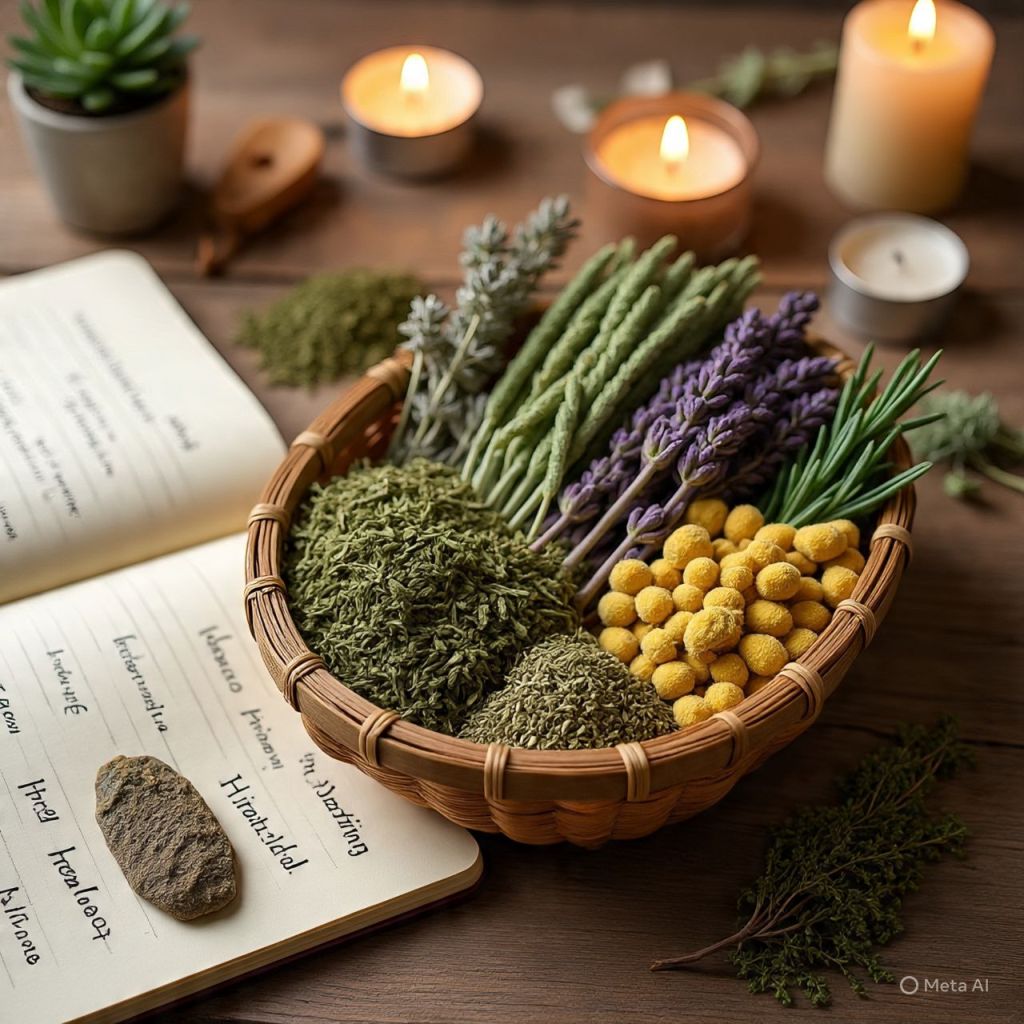
Discover how traditional herbal wisdom supports arthritis relief naturally. Learn how herbs reduce inflammation, support joint health, and why consistency and lifestyle matter in herbal healing.
Introduction
For thousands of years, long before the invention of modern pharmaceuticals, human beings turned to plants for relief from pain, stiffness, and joint degeneration. Across Africa, Asia, the Americas, and Europe, herbal knowledge was carefully observed, tested, and passed down through generations.
Yet in today’s world, herbal healing is often dismissed as outdated or unscientific—despite the fact that many modern drugs were originally derived from plants
At Wordplant Living, we view herbal medicine not as an alternative, but as an ancient foundation of healing—one that works best when combined with supportive diet and lifestyle practices.
This article explains how herbs support arthritis healing, why they work differently from painkillers, and how ancient plant wisdom remains deeply relevant in modern times.
Arthritis: A Condition Rooted in Chronic Inflammation
To understand how herbs help arthritis, we must first understand what arthritis truly is.
Arthritis is not simply worn-out joints. It is a complex inflammatory process involving:
- Immune system activity
- Inflammatory chemical messengers
- Circulation and tissue nourishment
- Nervous system sensitivity
Inflammation damages joint tissues, increases pain signaling, and limits mobility. Suppressing pain does not address these deeper processes.
Herbs, however, tend to work with the body, influencing multiple pathways at once.
Why Ancient Cultures Trusted Herbs for Joint Health
Ancient healers had no laboratories, yet they possessed deep observational wisdom.
They noticed:
- Certain plants reduced swelling
- Some herbs eased stiffness
- Others improved circulation and mobility
Over centuries, ineffective remedies disappeared while helpful ones survived.
How Herbs Support Arthritis Healing
Unlike pharmaceuticals that target a single pathway, herbs are complex and multi-dimensional.
1. Herbs Modulate Inflammation
Many herbs help regulate inflammatory signals rather than shut them down completely. This is important because inflammation itself is not the enemy—excessive, chronic inflammation is.
Herbs help restore balance.
2. Herbs Improve Circulation to Joints
Healthy joints require nutrients and oxygen. Some herbs support blood flow, helping deliver nourishment and remove metabolic waste from joint tissues.
3. Herbs Support Digestion and Detoxification
Poor digestion contributes to systemic inflammation. Many traditional herbal protocols begin with improving digestion before addressing joints directly.
4. Herbs Calm the Nervous System
Chronic pain sensitizes the nervous system. Some herbs help relax tension, reduce stress responses, and lower pain perception.
Pain relief is not only physical—it is neurological.
Herbs vs Painkillers: Understanding the Difference
Painkillers offer fast relief by blocking pain signals. Herbs work differently. Painkillers Herbs Suppress symptoms Support balance Act quickly Act gradually Target one pathway Influence many systems Temporary relief Long-term support
This difference explains why herbs require patience and consistency.
Common Categories of Herbs Used for Arthritis
Rather than focusing on individual plant names, it is helpful to understand herbal categories.
Anti-Inflammatory Herbs
These herbs help regulate inflammatory responses and reduce tissue irritation over time.
Circulatory Herbs
They support blood flow, warmth, and nutrient delivery to joints.
Digestive Herbs
These herbs improve nutrient absorption and reduce gut-derived inflammation.
Calming Herbs
They support relaxation, sleep, and nervous system balance.
Traditional herbal systems rarely use one herb alone—they use synergy.
Why Consistency Matters More Than Strength
One of the biggest misunderstandings about herbal medicine is dosage.
Many people take herbs irregularly or expect immediate results. But herbs work best when:
- Taken daily
- Used in moderate amounts
- Combined with supportive habits
Ancient healers understood that time is part of the medicine.
The Role of Preparation in Herbal Healing
How herbs are prepared affects their effectiveness.
Traditional preparations include:
- Teas and infusions
- Decoctions
- Powders
- Oils and compresses
Each method extracts different compounds and serves different purposes. Preparation is not just tradition—it is biochemistry.
Internal vs External Herbal Support
Herbal healing is both internal and external.
Internal Use
Supports systemic inflammation, digestion, immunity, and circulation.
External Use
Herbal oils, compresses, and baths:
- Improve local circulation
- Relax muscles
- Calm pain signals
Touch and warmth enhance healing responses.
Herbal Healing Is Not Isolated from Lifestyle
Ancient healing systems never used herbs alone.
They combined herbs with:
- Whole-food diets
- Movement and physical labor
- Sunlight and rest
- Emotional balance
When modern users rely on herbs while maintaining inflammatory lifestyles, results are limited.
Herbs amplify good habits—they do not replace them.
Safety, Respect, and Responsibility
Herbs are natural, but they are not casual.
Safe herbal use requires:
- Proper identification
- Correct preparation
- Appropriate dosage
- Awareness of individual sensitivity
Respect for plants is part of ancient wisdom.
Why Herbal Knowledge Is Returning
Modern medicine excels at emergency care but struggles with chronic inflammatory conditions.
As people search for sustainable solutions, they are rediscovering plant wisdom—not out of nostalgia, but necessity.
Herbs offer:
- Long-term support
- Fewer systemic side effects
- Whole-body benefits
They address the terrain, not just the symptom.
Integrating Herbs into a Modern Arthritis Lifestyle
Herbal healing works best as part of a daily routine:
- Herbal tea in the morning or evening
- Herbal oil massage for stiff joints
- Herbal support alongside anti-inflammatory meals
Small daily rituals create lasting change.
Patience Is a Healing Skill
Herbal healing requires a mindset shift.
Instead of asking: “How fast will this work?”
Ask: “How can I support my body consistently?”
Many people report gradual but meaningful improvements in stiffness, mobility, and quality of life when herbs are used with patience.
Final Thoughts: Ancient Wisdom, Modern Relevance
Herbal medicine survived centuries because it respected the body’s intelligence.
It does not overpower. It does not rush. It restores balance.
At Wordplant Living, we believe healing arthritis is not about fighting the body—it is about listening, supporting, and cooperating with it.
Ancient plant wisdom still speaks today.
The body still understands the language of herbs.
- What Causes Arthritis Beyond Wear and Tear|Wordplant LivingDiscover what causes arthritis beyond wear and tear. Learn how inflammation, lifestyle, gut health, stress, and environmental factors contribute to joint pain—and how holistic strategies support long-term joint health. Introduction When most people think of arthritis, they imagine aging joints wearing out over time. “It’s just wear and tear,” doctors often say. But the truth … Continue reading What Causes Arthritis Beyond Wear and Tear|Wordplant Living
- Daily Habits That Heal Arthritis Without Medication|Wordplant LivingDiscover daily habits that support arthritis healing naturally without medication. Learn how lifestyle, movement, diet, stress management, and simple routines reduce inflammation and joint pain. Introduction For many people living with arthritis, daily life becomes a cycle of pain, stiffness, and dependence on medication. Pills promise relief, but often deliver only temporary comfort while inflammation … Continue reading Daily Habits That Heal Arthritis Without Medication|Wordplant Living
- Healing Arthritis with Herbs: Ancient Wisdom Explained|Wordplant LivingDiscover how traditional herbal wisdom supports arthritis relief naturally. Learn how herbs reduce inflammation, support joint health, and why consistency and lifestyle matter in herbal healing. Introduction For thousands of years, long before the invention of modern pharmaceuticals, human beings turned to plants for relief from pain, stiffness, and joint degeneration. Across Africa, Asia, the … Continue reading Healing Arthritis with Herbs: Ancient Wisdom Explained|Wordplant Living
- How to Deal With Erectile Dysfunction: Your Guide to Success – Wordplant LivingDealing with erectile dysfunction (ED) can be a challenge for many men, but it’s not something that needs to be faced alone. With the right understanding, support, and treatment, you can overcome this condition and regain your confidence and sexual health. In this article, we will provide you with a comprehensive guide on how to … Continue reading How to Deal With Erectile Dysfunction: Your Guide to Success – Wordplant Living
- Arthritis and Work: Accommodations for Managing Pain on the Job – Wordplant LivingArthritis, a progressive condition causing joint inflammation and pain, can have a significant impact on one’s ability to perform daily tasks, including work-related activities. However, with appropriate accommodations and workplace adjustments, individuals with arthritis can effectively manage their pain on the job. In this article, we will explore various strategies and modifications that can be … Continue reading Arthritis and Work: Accommodations for Managing Pain on the Job – Wordplant Living

 Wordplant Living