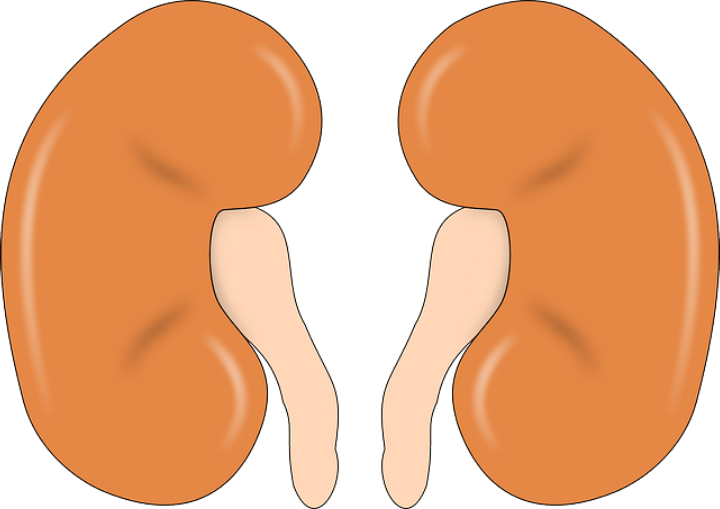
Prolonged high blood pressure (hypertension) causes damage to various organs and tissues in the body, one of which is the kidneys. Hypertension can cause damage to the small blood vessels (capillaries) and filters (glomeruli) in the kidneys. This damage in the kidneys leads to a condition called nephrosclerosis which is the hardening and thickening of the blood vessels that supply the nephrons, the functional unit of the kidneys.
When the small blood vessels of the kidneys become damaged, the kidneys cannot filter waste and excess fluid as effectively. This causes waste and fluid to build up in the body and can lead to a condition called chronic kidney disease (CKD). CKD is a progressive condition, meaning it worsens over time and can ultimately lead to kidney failure.
Solutions to hypertension-induced kidney disease include medication to control blood pressure, lifestyle changes such as a healthy diet and regular exercise, and managing other medical conditions such as diabetes and high cholesterol. Regular monitoring of kidney function through blood and urine tests is also important in detecting and managing kidney damage early on.
In severe cases, the only solution may be a kidney transplant or dialysis, depending on the extent of kidney damage. However, a prevention focus is crucial as hypertension-induced kidney disease is preventable with early detection and proper management of blood pressure.
- How to Deal With Erectile Dysfunction: Your Guide to Success – Wordplant LivingDealing with erectile dysfunction (ED) can be a challenge for many men, but it’s not something that needs to be faced alone. With the right understanding, support, and treatment, you … Continue reading How to Deal With Erectile Dysfunction: Your Guide to Success – Wordplant Living
- Arthritis and Work: Accommodations for Managing Pain on the Job – Wordplant LivingArthritis, a progressive condition causing joint inflammation and pain, can have a significant impact on one’s ability to perform daily tasks, including work-related activities. However, with appropriate accommodations and workplace … Continue reading Arthritis and Work: Accommodations for Managing Pain on the Job – Wordplant Living
- Natural remedies for high blood pressure: Herbs, supplements, and more – Wordplant LivingHigh blood pressure, or hypertension, is a common condition that affects millions of people worldwide. It is often referred to as the “silent killer” as it typically does not have … Continue reading Natural remedies for high blood pressure: Herbs, supplements, and more – Wordplant Living
- Unlocking the Power of Ashwagandha for Insomnia Relief: A Comprehensive Guide – Wordplant LivingIn today’s fast-paced world, millions of people suffer from various sleep disorders, with insomnia being one of the most prevalent. Sleep deprivation not only affects our physical and mental well-being … Continue reading Unlocking the Power of Ashwagandha for Insomnia Relief: A Comprehensive Guide – Wordplant Living
- Promoting Arthritis Awareness: Importance and Impact – Wordplant LivingArthritis is a chronic condition that affects millions of people across the globe. With over 100 different types of arthritis, this prevalent disease causes joint inflammation, stiffness, and pain, significantly … Continue reading Promoting Arthritis Awareness: Importance and Impact – Wordplant Living

 Wordplant Living