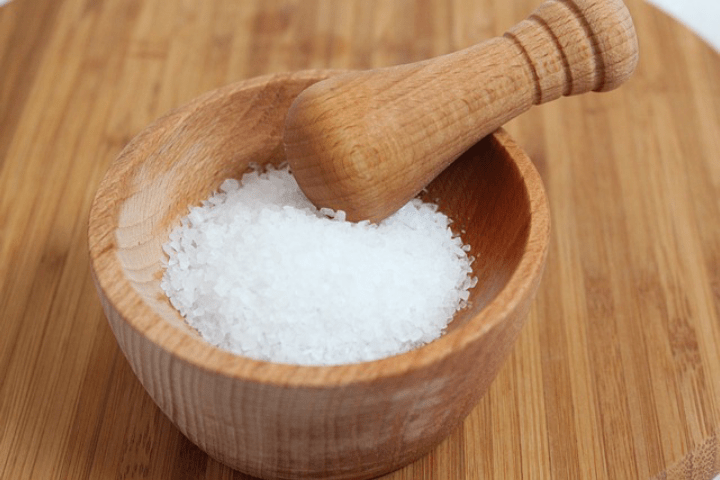
High blood pressure, or hypertension, is a common chronic condition that affects millions of people worldwide. It is a leading cause of heart attacks, strokes, and other serious health problems. Salt intake is often cited as a significant factor in the development and management of high blood pressure.
The body needs sodium, which is present in salt, to maintain a proper balance of fluids and electrolytes. However, consuming too much salt can lead to an excess of fluid in the bloodstream, which can cause the heart to work harder and lead to high blood pressure.
According to the American Heart Association, the average American consumes over 3,400 milligrams of sodium per day, which is well above the recommended maximum intake of 2,300 milligrams. The recommended limit drops to 1,500 milligrams per day for individuals who are over 50 years of age, African American, or have certain health conditions like high blood pressure, diabetes, or chronic kidney disease.
Reducing salt intake can lower blood pressure and help prevent heart disease. There are several ways to reduce salt intake, such as:
1. Cook at home: When you cook at home, you have control over the amount of salt you add to your meals. Instead of using salt, experiment with herbs and spices for flavor.
2. Read labels: Many packaged foods, such as canned soups, frozen dinners, and snack foods, are high in sodium. Read the nutrition labels and choose low-sodium options.
3. Choose fresh foods: Fresh fruits and vegetables, lean meats, and whole grains are naturally low in sodium. Incorporate these into your diet to reduce your salt intake.
4. Be mindful when eating out: Many restaurant meals are high in sodium. Ask your server about low-sodium options or request that your meal be prepared without added salt.
Conclusion
High blood pressure and salt intake are closely related. By reducing salt intake, you can lower your blood pressure and improve your overall heart health. By making simple changes to your diet, you can help prevent serious health problems in the future.
- How to Deal With Erectile Dysfunction: Your Guide to Success – Wordplant LivingDealing with erectile dysfunction (ED) can be a challenge for many men, but it’s not something that needs to be faced alone. With the right understanding, support, and treatment, you … Continue reading How to Deal With Erectile Dysfunction: Your Guide to Success – Wordplant Living
- Arthritis and Work: Accommodations for Managing Pain on the Job – Wordplant LivingArthritis, a progressive condition causing joint inflammation and pain, can have a significant impact on one’s ability to perform daily tasks, including work-related activities. However, with appropriate accommodations and workplace … Continue reading Arthritis and Work: Accommodations for Managing Pain on the Job – Wordplant Living
- Natural remedies for high blood pressure: Herbs, supplements, and more – Wordplant LivingHigh blood pressure, or hypertension, is a common condition that affects millions of people worldwide. It is often referred to as the “silent killer” as it typically does not have … Continue reading Natural remedies for high blood pressure: Herbs, supplements, and more – Wordplant Living
- Unlocking the Power of Ashwagandha for Insomnia Relief: A Comprehensive Guide – Wordplant LivingIn today’s fast-paced world, millions of people suffer from various sleep disorders, with insomnia being one of the most prevalent. Sleep deprivation not only affects our physical and mental well-being … Continue reading Unlocking the Power of Ashwagandha for Insomnia Relief: A Comprehensive Guide – Wordplant Living
- Promoting Arthritis Awareness: Importance and Impact – Wordplant LivingArthritis is a chronic condition that affects millions of people across the globe. With over 100 different types of arthritis, this prevalent disease causes joint inflammation, stiffness, and pain, significantly … Continue reading Promoting Arthritis Awareness: Importance and Impact – Wordplant Living

 Wordplant Living